Why Dell PowerEdge 2U Rack Servers Fit Modern IT Needs
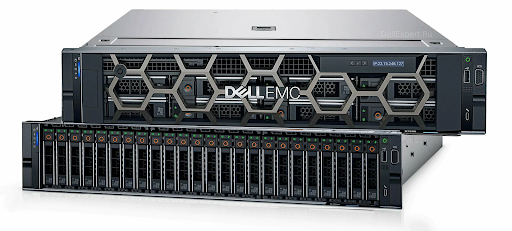
Modern IT environments demand infrastructure that balances performance, scalability, and efficiency. As businesses grow more dependent on data, applications, and digital services, server choices play a critical role in operational success.
Among the many options available, Dell PowerEdge 2U rack servers have earned a strong reputation for delivering reliable performance while supporting diverse workloads. This guide explores what makes these servers a practical choice for today’s IT needs and how they fit into modern data center strategies.
Understanding the 2U Rack Server Advantage
A 2U rack server occupies two rack units of space, offering more room than compact 1U systems while remaining space-efficient. This additional space allows for greater flexibility in component selection, including expanded storage, memory, and cooling options. For organizations managing mixed workloads, the 2U form factor provides a balanced platform that supports both performance and scalability.
Dell PowerEdge servers are designed with this balance in mind. The 2U configuration allows IT teams to deploy powerful systems without sacrificing rack density. This makes them suitable for businesses that want to optimize existing data center space while preparing for future growth.
Why Dell PowerEdge Stands Out in Enterprise IT
Dell has built its PowerEdge line around reliability, performance consistency, and ease of management. These servers are engineered to handle demanding environments where uptime and responsiveness matter. From virtualization and database management to cloud infrastructure and analytics, PowerEdge 2U servers are built to adapt to evolving workloads.
Another strength lies in Dell’s focus on lifecycle management. Firmware updates, diagnostics, and monitoring tools are designed to simplify administration. This reduces operational complexity and allows IT teams to focus on strategic initiatives rather than constant troubleshooting.
Performance Built for Real-World Workloads
Modern workloads are rarely simple. Applications often run concurrently, drawing on shared resources such as CPU, memory, and storage. Dell PowerEdge 2U rack servers are designed to support these complex demands with configurations that accommodate powerful processors, large memory capacities, and flexible storage layouts.
This performance versatility makes them well-suited for environments that support virtualization clusters, enterprise applications, and data-intensive processes. Instead of deploying separate systems for different tasks, organizations can consolidate workloads onto fewer, more capable servers.
Scalability Without Disruption
Scalability is a key concern for IT decision-makers. Infrastructure must be able to grow alongside business demands without requiring constant redesign. The 2U form factor supports this by allowing additional memory, storage drives, or expansion cards to be added as needs evolve.
Many organizations choose a Dell 2U Rack Server because it supports incremental upgrades. This approach reduces upfront costs and avoids overprovisioning. As workloads increase, capacity can be expanded in a controlled and cost-effective manner.
Storage Flexibility for Data-Driven Operations
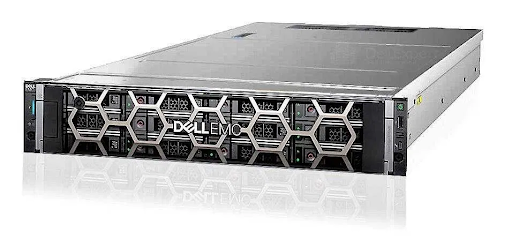
Data growth continues to accelerate across industries. From transactional records to multimedia files and analytics data, storage requirements can change rapidly. Dell PowerEdge 2U servers offer flexible storage configurations that support both performance and capacity needs.
With support for multiple drive bays and various storage technologies, these servers can be tailored to specific use cases. Whether prioritizing fast access for databases or high-capacity storage for archives, IT teams can design systems that align with operational goals.
Efficient Cooling and Power Management
As server performance increases, efficient cooling becomes essential. Poor thermal management can lead to higher energy costs and reduced hardware lifespan. Dell PowerEdge 2U servers are designed with optimized airflow and intelligent power management features.
These design considerations help maintain stable operating temperatures even under heavy workloads. Improved efficiency not only reduces operational costs but also supports sustainability initiatives, which are increasingly important in modern IT planning.
Supporting Virtualization and Cloud Strategies
Virtualization remains a cornerstone of enterprise IT. Dell PowerEdge 2U rack servers are widely used in virtualized environments due to their ability to support high virtual machine density. This allows organizations to consolidate workloads and make better use of available resources.
For hybrid and private cloud deployments, these servers provide a reliable foundation. Consistent performance and flexible configurations help ensure that cloud services remain responsive and scalable as demand fluctuates.
Security and Reliability at the Core
Security is a critical consideration in server selection. Dell PowerEdge systems incorporate hardware-level security features that help protect data and workloads. Secure boot processes, system lockdown capabilities, and firmware validation contribute to a more secure infrastructure.
Reliability is equally important. Enterprise-grade components and rigorous validation processes ensure that PowerEdge 2U servers can operate continuously in demanding environments. This reliability supports business continuity and reduces the risk of unexpected downtime.
Simplifying IT Operations and Management
Managing server infrastructure can be complex, especially in growing environments. Dell PowerEdge servers integrate with centralized management tools that provide visibility into system health, performance metrics, and update status.
This centralized approach simplifies administration and reduces manual effort. IT teams can monitor multiple systems from a single interface, respond to issues proactively, and plan upgrades more effectively. Over time, this operational efficiency translates into lower costs and improved productivity.
Choosing the Right 2U Configuration
Selecting the right server configuration depends on workload requirements, growth plans, and budget considerations. Dell offers a range of options within the 2U category, allowing organizations to tailor systems to specific needs.
Exploring Dell 2U Servers helps businesses understand available configurations and identify solutions that align with both current and future demands. This flexibility ensures that infrastructure investments deliver long-term value rather than short-term fixes.
Aligning Infrastructure With Business Goals
Server infrastructure is no longer just a technical asset; it is a strategic business tool. Performance limitations can slow innovation, delay decision-making, and impact customer experiences. Dell PowerEdge 2U rack servers provide a balanced platform that supports both operational efficiency and long-term growth.
By choosing adaptable, reliable systems, organizations position themselves to respond quickly to changing market conditions and emerging technologies. This alignment between IT infrastructure and business strategy is essential for sustained success.
A Practical Path Forward for Modern IT
For businesses modernizing their data centers or expanding existing environments, Dell PowerEdge 2U servers offer a practical and proven solution. Their combination of performance, scalability, and manageability makes them suitable for a wide range of industries and use cases.
Rather than overcomplicating infrastructure decisions, many organizations find value in choosing platforms that deliver consistent results and integrate smoothly with existing systems.

Moving Ahead With Confidence
Building a reliable IT foundation requires both the right technology and the right guidance. Working with experienced providers can simplify the selection and deployment process while ensuring access to genuine hardware and expert support.
For organizations exploring dependable server solutions, Cloud Ninjas offers access to trusted Dell systems and knowledgeable assistance. With the right partner and infrastructure in place, businesses can build IT environments that are efficient, scalable, and ready for future challenges.


