The Science Behind Weatherproof Techwear: Waterproofing, Breathability & Durability
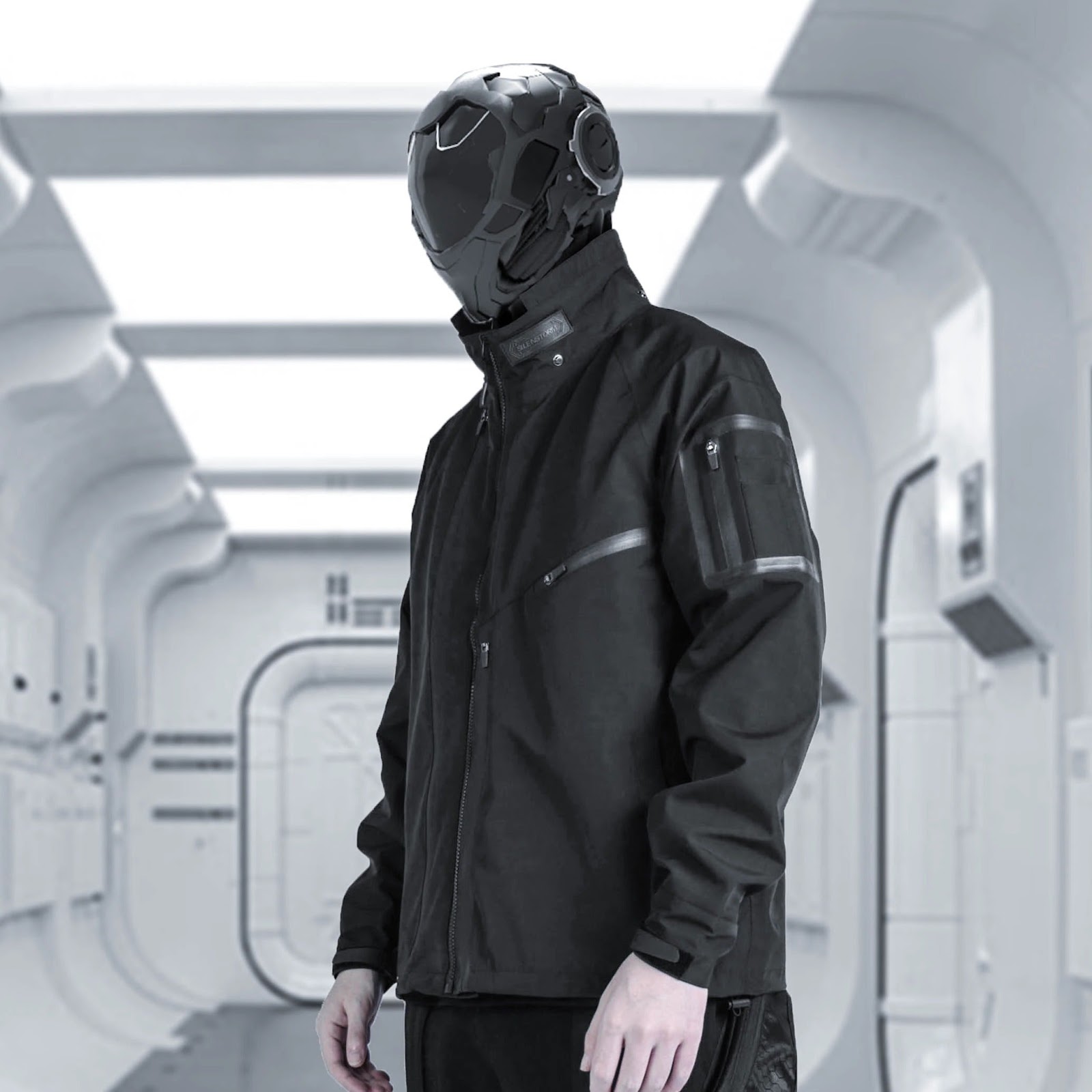
Techwear is often admired for its futuristic aesthetics, but its real power lies beneath the surface. At its core, techwear is engineered clothing—designed to protect the body from harsh weather, constant movement, and urban unpredictability. Waterproofing, breathability, and durability are the three scientific pillars that define weatherproof techwear, transforming garments from simple fashion pieces into high-performance systems.
Understanding how these elements work together reveals why techwear has become essential for modern, city-based lifestyles.
Waterproofing: Keeping the Elements Out
Waterproofing is one of the most critical functions in techwear design. Rain, snow, and moisture are unavoidable in urban environments, and traditional fabrics often fail under prolonged exposure. Techwear addresses this through advanced material engineering.
Most waterproof techwear uses laminated fabric systems. These consist of multiple layers bonded together, typically including:
- A durable outer shell treated with a DWR (Durable Water Repellent) coating
- A waterproof membrane that blocks liquid water
- An inner lining that protects the membrane and improves comfort
The membrane contains microscopic pores that are smaller than water droplets but larger than water vapor molecules. This physical structure prevents rain from entering while allowing internal moisture to escape—a key concept that links waterproofing to breathability.
Waterproof performance is often measured using hydrostatic head ratings, which indicate how much water pressure a fabric can withstand before leaking. High-quality techwear garments are built to handle heavy rain and prolonged exposure without saturation.
Breathability: Letting Heat Escape
Waterproof clothing without breathability quickly becomes uncomfortable. Trapped heat and sweat lead to condensation inside the garment, making the wearer feel damp even when no rain penetrates. Breathability solves this problem.
Breathable techwear fabrics rely on moisture vapor transmission. When the body heats up, sweat evaporates into vapor. The same pores that block liquid water allow this vapor to pass through the membrane, moving moisture away from the body.
Some advanced techwear pieces also incorporate:
- Ventilation zippers
- Laser-cut airflow panels
- Moisture-wicking inner linings
These features regulate temperature during movement, making techwear suitable for commuting, travel, and extended outdoor use. Breathability is especially important in layered systems, where multiple garments must work together without overheating.
Durability: Built for Constant Use
Durability is what separates techwear from conventional outerwear. Urban environments are demanding—crowded transit, sharp surfaces, constant friction, and frequent wear all degrade standard clothing quickly.
Techwear addresses this with high-tenacity fibers such as nylon blends and reinforced synthetics. These materials resist tearing, abrasion, and stretching. Stress points—shoulders, elbows, seams, and pocket edges—are often reinforced to prevent failure over time.
Durability also extends to construction methods:
- Taped or welded seams to prevent water entry
- Reinforced stitching patterns
- Corrosion-resistant hardware like coated zippers and buckles
The goal is longevity. A well-designed techwear garment is meant to perform consistently across years of use, not just a single season.
How These Systems Work Together
The true science of techwear lies in system integration. Waterproofing, breathability, and durability must coexist without compromising one another. A fabric that is waterproof but not breathable fails in comfort. A breathable fabric without durability fails under real-world stress.
High-performance techwear balances all three by treating garments as functional ecosystems rather than simple clothing items. Every layer, seam, and component contributes to overall performance.
Brands focusing on this balance, such as Cyber Techwear, emphasize engineered design that supports both protection and everyday usability—key for modern, tech-driven lifestyles.
Beyond Clothing: Weatherproof Utility as a Lifestyle
Weatherproof design principles don’t stop at apparel. Accessories and everyday gear increasingly adopt the same philosophy: insulation, temperature control, and durability matter beyond jackets and pants.
For example, insulated drinkware designed for outdoor and urban use reflects similar engineering priorities—maintaining internal conditions regardless of the external environment. Products like the 40-oz-tumbler highlight how performance-focused design extends into daily essentials, reinforcing techwear as a complete lifestyle system rather than a single fashion category.
Conclusion: Science as the Foundation of Techwear
Weatherproof techwear is not just about looking futuristic—it is about solving real-world problems through science. Waterproof membranes protect against the elements, breathable structures regulate body temperature, and durable materials ensure long-term reliability. Together, these features create garments that adapt to unpredictable conditions while maintaining comfort and style.
As urban life becomes more dynamic and environments more demanding, the value of scientifically engineered clothing continues to rise. Techwear represents a shift in how people think about fashion—not as decoration, but as equipment designed for modern living.
By blending innovation, performance, and aesthetics, weatherproof techwear proves that the future of fashion isn’t just worn—it’s engineered.