Shisha Charcoal Making Machine and How to Make Charcoal from Sawdust: Advanced Solutions for Efficient Charcoal Production
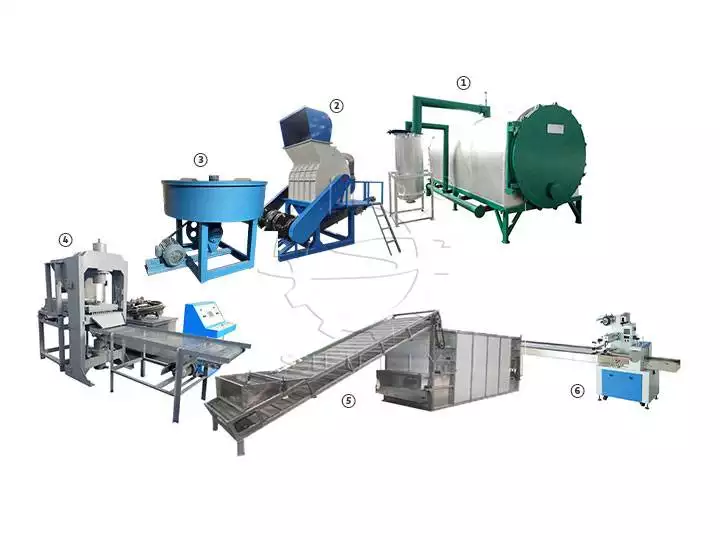
Charcoal is widely used around the world for cooking, industrial applications, and shisha (hookah) smoking. Traditional charcoal production methods are often inefficient, labor-intensive, and environmentally unfriendly. Modern technologies such as the shisha charcoal making machine and equipment for how to make charcoal from sawdust have transformed charcoal manufacturing. These systems allow manufacturers to produce high-quality, uniform charcoal efficiently, using a variety of raw materials while reducing waste and environmental impact.
This article explores the features, advantages, and applications of shisha charcoal machines and sawdust charcoal production equipment, helping manufacturers optimize operations and increase profitability.
Shisha Charcoal Making Machine: Producing Premium Hookah Charcoal
What Is a Shisha Charcoal Machine?
A shisha charcoal making machine is designed to produce uniform, high-density charcoal briquettes specifically for hookah use. Shisha charcoal must burn evenly, generate minimal smoke, and maintain a consistent shape to ensure an optimal smoking experience.
Key Features and Benefits
- Raw Material Flexibility
Machines can process sawdust, coconut shells, palm shells, and other biomass to produce high-quality shisha charcoal. - Granulation and Briquetting
Raw materials are compressed into round or square briquettes with uniform size and density. - Carbonization Process
The briquettes are carbonized in a controlled environment to produce clean-burning charcoal with high calorific value. - Consistent Quality
Modern machines produce charcoal with uniform size, shape, and density, ensuring a premium product for the shisha market. - Eco-Friendly Operation
By recycling pyrolysis gases and reducing smoke emissions, shisha charcoal machines are more environmentally friendly than traditional methods.
Investing in a shisha charcoal making machine allows manufacturers to meet market demand for premium hookah charcoal while optimizing efficiency and sustainability.
How to Make Charcoal from Sawdust: Efficient Biomass Utilization
Why Sawdust?
Sawdust is an abundant byproduct of woodworking and lumber industries. It has high carbon content, making it an ideal raw material for producing charcoal. Using sawdust for charcoal production reduces waste, adds value to biomass, and supports sustainable practices.
Sawdust Charcoal Production Process
- Raw Material Preparation
Sawdust is collected, dried, and screened to remove impurities. - Briquetting or Pelletizing
Dried sawdust is compressed into briquettes or pellets using a charcoal machine. - Carbonization
The compressed biomass is carbonized in a kiln or furnace to produce high-quality charcoal. - Cooling and Packaging
Charcoal is cooled, screened, and packaged for sale as fuel or shisha charcoal.
Advantages
- Cost-Effective: Sawdust is often a low-cost or free raw material.
- Sustainable: Converts wood waste into valuable charcoal products.
- High Calorific Value: Properly carbonized sawdust produces dense, long-burning charcoal.
- Versatile Applications: Suitable for fuel, shisha, and industrial uses.
Learning how to make charcoal from sawdust enables manufacturers to create a profitable and eco-friendly product from available biomass resources.
Benefits of Using Modern Charcoal Production Machines
1. High Production Efficiency
Shisha charcoal machines and sawdust charcoal lines operate continuously or semi-continuously, significantly increasing output compared to traditional methods.
2. Consistent Quality
Controlled briquetting and carbonization ensure uniform size, density, and burn quality, essential for premium shisha charcoal and industrial applications.
3. Cost Reduction
Automation reduces labor requirements, while energy-efficient designs minimize fuel consumption and material waste.
4. Environmental Sustainability
Modern systems recycle gases, reduce smoke, and utilize biomass waste, supporting eco-friendly charcoal production.
5. Versatility
Machines can process various raw materials, including sawdust, coconut shells, palm shells, and wood chips, allowing adaptation to local resources.
Applications of Charcoal Produced by These Machines
- Shisha Charcoal: Uniform briquettes for hookah smoking with clean, long-lasting burn.
- Residential Fuel: Charcoal briquettes for cooking and heating.
- Industrial Charcoal: Used in metal processing, chemical production, and other industries.
- Biochar: Soil amendment to improve fertility, water retention, and crop yield.
High-quality charcoal produced from sawdust or specialized shisha machines meets diverse market demands, providing manufacturers with consistent revenue opportunities.
Choosing the Right Charcoal Production Equipment
When selecting a how to make charcoal from sawdust or sawdust charcoal production line, consider the following:
- Production Capacity
Match the machine size and output to your business scale and market demand. - Raw Material Availability
Ensure a steady supply of sawdust, wood chips, or biomass for continuous operation. - Automation Level
Highly automated systems reduce labor and improve efficiency. - Product Quality Options
Look for machines that allow control over briquette size, shape, and density. - After-Sales Support
Reliable suppliers provide installation guidance, training, spare parts, and maintenance services.
Selecting high-quality machines ensures consistent output, reliable operation, and long-term profitability.
Conclusion
Investing in a shisha charcoal making machine and equipment for how to make charcoal from sawdust provides manufacturers with efficient, scalable, and sustainable solutions for charcoal production. Shisha machines produce premium, uniform briquettes for the hookah market, while sawdust charcoal machines utilize abundant wood waste to create high-quality fuel or biochar.
By adopting these modern technologies, manufacturers can increase production efficiency, reduce labor and energy costs, and meet market demand for clean, reliable charcoal. These systems ensure long-term profitability, eco-friendly operation, and a competitive advantage in the growing charcoal industry.
Whether producing hookah charcoal, fuel briquettes, or biochar, modern charcoal production machines are essential investments for sustainable, high-quality output.