IPL Live Cricket That Feels Clear From First Ball to Final Result
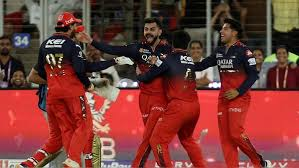
IPL nights move fast. One big hit can flip the mood, and a short delay between video and score updates can make the whole moment feel off. A solid live match page keeps the basics steady on a phone screen: the current scoreline, who is on strike, what happened on the last delivery, and how the chase math is changing. When the information stays tidy, the match story stays easy to follow.
Why an IPL live page needs to handle peak traffic well
IPL nights pull huge waves of people onto the same score page at the same time – right after the toss, during the powerplay, when a review drags on, and especially in a last-over chase. If the page is put together cleanly and kept light, it still reacts fast even under that load. The score changes without forcing a full refresh, the screen stays exactly where it was instead of jumping up and down, and the “last ball” line matches what just happened. In the middle of all that, ipl live cricket works well as a second screen – a quick way to verify the total and the last few deliveries without bouncing between apps every minute.
The best match hubs also keep structure consistent. The scoreline stays near the top. Commentary sits in a separate block. Cards for batting and bowling can be reached quickly. When the layout is predictable, the brain stops hunting and starts reading the match, which is the whole point of keeping a data screen open during IPL prime time.
Event labelling that keeps the innings’ story accurate
IPL runs on tight margins, so labelling errors spread confusion fast. Extras need to be shown clearly, because a wide adds a run without using a legal ball, while a no-ball can change the next delivery context and the batter’s risk choice. Byes and leg byes should never be mixed into batter outcomes. A clean live feed keeps these categories separate and consistent, so the innings narrative does not blur into a generic stream of numbers.
Accuracy also shows up in the delivery order during reviews. When play pauses for a third-umpire decision, the feed should show a pending state and then confirm the final call without rearranging the sequence. That matters for specialists who track pressure patterns and plan changes. If the feed preserves the order, it becomes easy to reconstruct what happened after stepping away for a few minutes, even during chaotic match swings and heavy social chatter.
Mobile readability during commutes and quick check-ins
A lot of IPL tracking happens in short bursts. A notification pops up, the phone is unlocked, and the goal is simple: confirm the current score and the last few deliveries in under ten seconds. A page that loads heavy media or forces repeated full refreshes fails this scenario. A page that keeps the scoreline fixed near the top, updates in place, and stays readable at one-handed distance fits real use.
Battery and heat also matter, especially on older devices. A live hub that refreshes only the scoreboard elements instead of repainting the entire page will usually behave better during long sessions. Stable spacing helps, too. When the scoreboard moves around due to layout shifts, the user keeps re-orienting instead of following the match. Good mobile pages treat calm layout as a feature, not decoration.
read more : https://www.thecelebrays.com/
What to watch beyond the score when the chase tightens
A live score is a headline. The match story sits in the patterns: dot-ball pressure, partnership pace, and bowler spells that force risk earlier than planned. In IPL chases, the required rate can look manageable for a while, then jump quickly after a quiet stretch. That shift is visible before the total looks dramatic, and a well-structured live page makes it easy to spot.
- Recent deliveries with extras clearly marked and legal balls easy to count.
- Current run rate and required rate, updated immediately after each legal ball.
- Partnership pace, because stable rotation tells a different story than boundary bursts.
- Bowler spell notes and economy in consecutive segments, to see plan changes.
- Wicket context, including dismissal type, because a run-out is not the same as a miscued hit.
These checks keep analysis grounded in the delivery record and reduce reliance on memory or highlight clips that arrive later.
Delivery patterns that reveal a plan without long explanations
Some patterns stand out quickly when the feed is clean. A cluster of dots followed by a single can indicate a batter trying to reset. A sequence of slower deliveries mixed with fuller lengths can show a bowler aiming for mishits rather than raw pace. When wickets fall, the dismissal label matters, because it changes how the next batter approaches risk and strike rotation. A solid live hub makes these patterns visible in the simplest way possible: accurate delivery order, precise outcome tags, and stable tables for batting and bowling cards.
A clean finish that helps replay the last minutes
The final stretch is where live pages get tested hardest. Traffic spikes. Refresh pressure rises. Every delivery matters. A dependable page keeps the last delivery result visible, updates the chase math immediately, and reflects scorecard changes without delay. If a late review flips a decision, the feed should show a clear correction without scrambling the delivery log or hiding extras.